Sequoia Advanced Systems gives organizations three practical ways to add autonomous capability: purchase a field-ready platform, integrate autonomous systems into existing services, or engage our team for a complete field deployment.
Each model is configured around the mission, operating environment, and required deliverable. However you work with us, the objective is the same: strengthen field teams with safer operations, better data, and more efficient results.
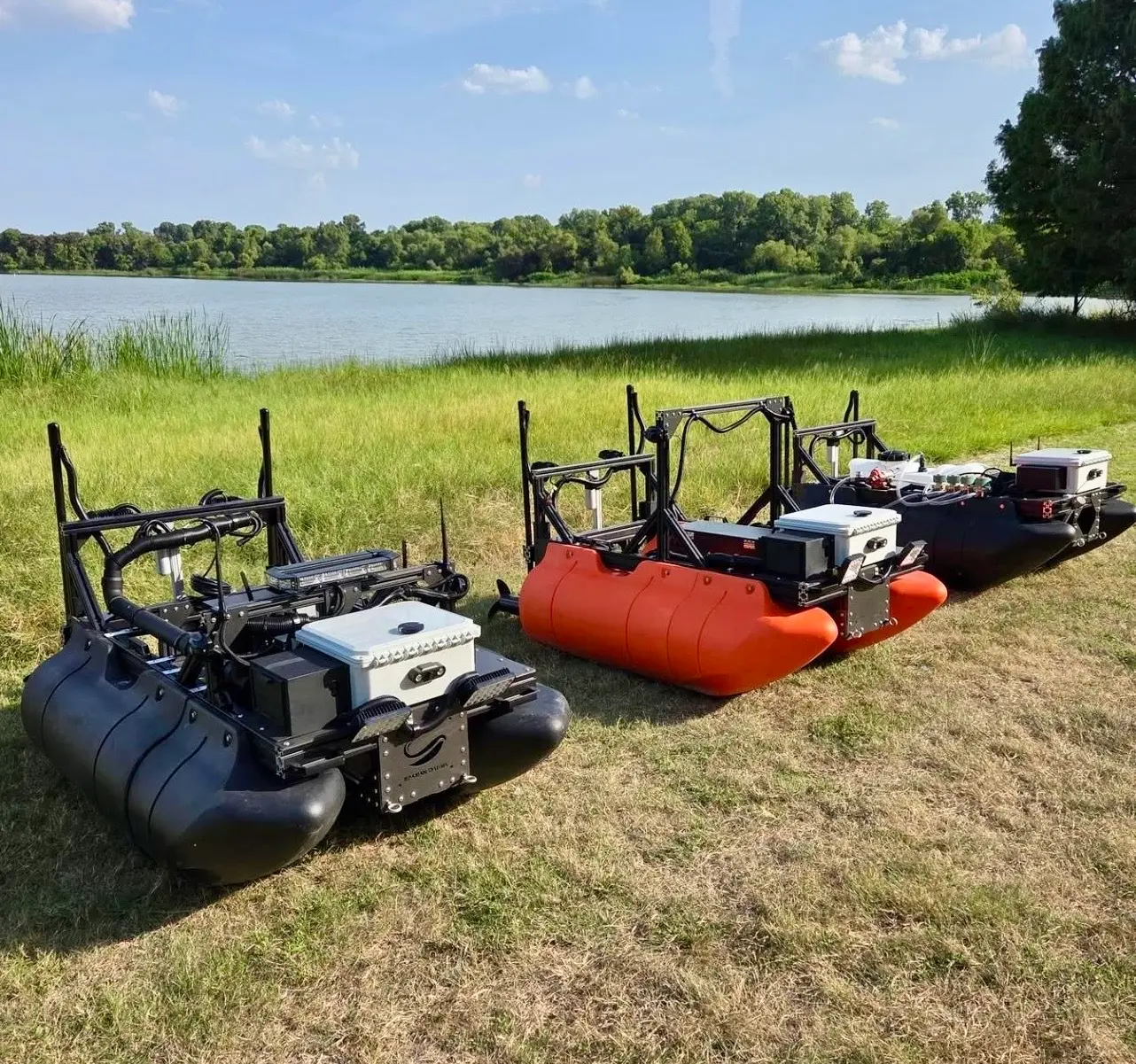
Purchase a mission-configured autonomous surface vessel as capital equipment and operate it with your own trained staff. Your organization owns the platform, controls the deployment schedule, and builds autonomous capability directly into its field operations.
Ownership offers the greatest value when the system remains ready for recurring work. Sequoia Advanced Systems supports platform configuration, deployment planning, operator training, maintenance, and long-term technical readiness. We configure the platform and payloads around the missions your team performs, then train qualified personnel to plan, execute, supervise, and document those operations.
Add unmanned surface vessel capability to your existing services without building a robotics program from scratch. Your team retains the client relationship, leads the fieldwork, and applies the professional judgment the mission requires. Sequoia Advanced Systems provides the platform, payload configuration, mission-planning support, operator training, and technical backing behind it.
This model is designed for environmental consultants, licensed applicators, hydrographic survey firms, infrastructure contractors, and field service providers with established domain expertise. Autonomous capability can help your organization expand service capacity, improve inspection and survey coverage, collect cleaner data, and produce defensible documentation under your own brand.
Your team remains the subject-matter expert. We keep the USV configured, supported, and ready for fieldwork.
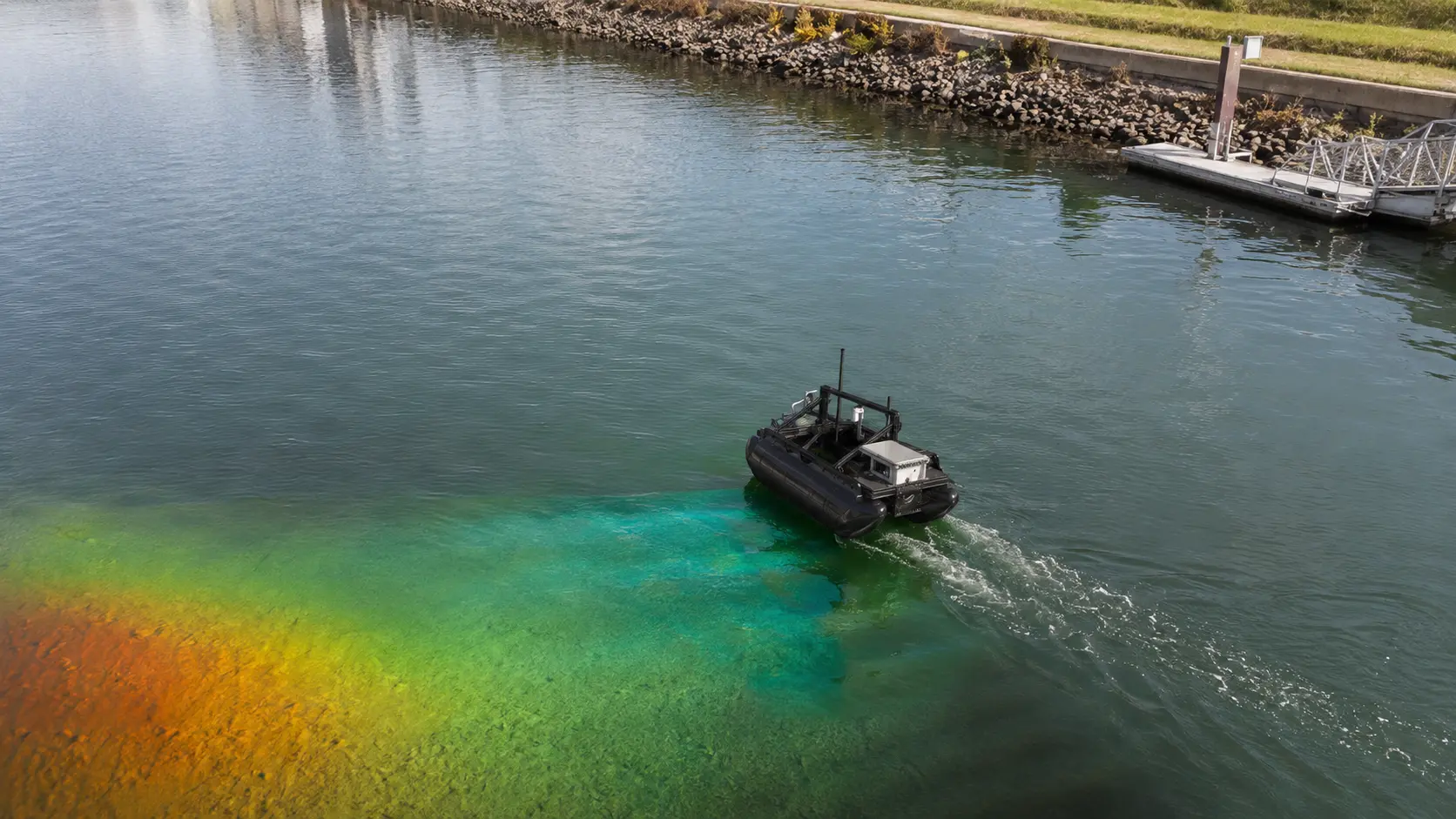
Engage Sequoia Advanced Systems to plan and operate a complete field deployment using our fleet. We define the mission, configure the platform and payload, mobilize to the site, operate the system, and deliver the required field record. Depending on the application, that deliverable may include treatment documentation, a bathymetric surface, a documented target search, water-quality data, or inspection records.
Deployment is also the lowest-commitment path to evaluating autonomy on your own water. Many organizations begin with a real field mission, measure the platform against defined objectives, and move toward purchase or partnership once the operational value has been established.
The mission planning, route design, operating procedures, and documentation developed during the deployment can carry forward into either model.
Autonomy is only useful when the system is ready for the field. Every engagement includes the planning, training, technical support, and readiness discipline appropriate to the operating model. Support may include:
Whether your organization owns the platform, operates it through a partnership, or hires SEQAV for a deployment, the objective is the same: maintain reliable capability across missions and seasons.
Whichever engagement model you choose, the operating discipline remains the same. Effective autonomous fieldwork is planned before the platform enters the water.
Begin with the required deliverable, not the platform. Determine what must be treated, measured, searched, mapped, or inspected, along with the applicable standard, schedule, permits, and operating protocols.
Select the platform, payload, sensors, communications, and software required to accomplish the mission. Configurations may include treatment systems, dual-frequency sonar, water-quality sensors, cameras, lighting, or other mission-specific equipment.
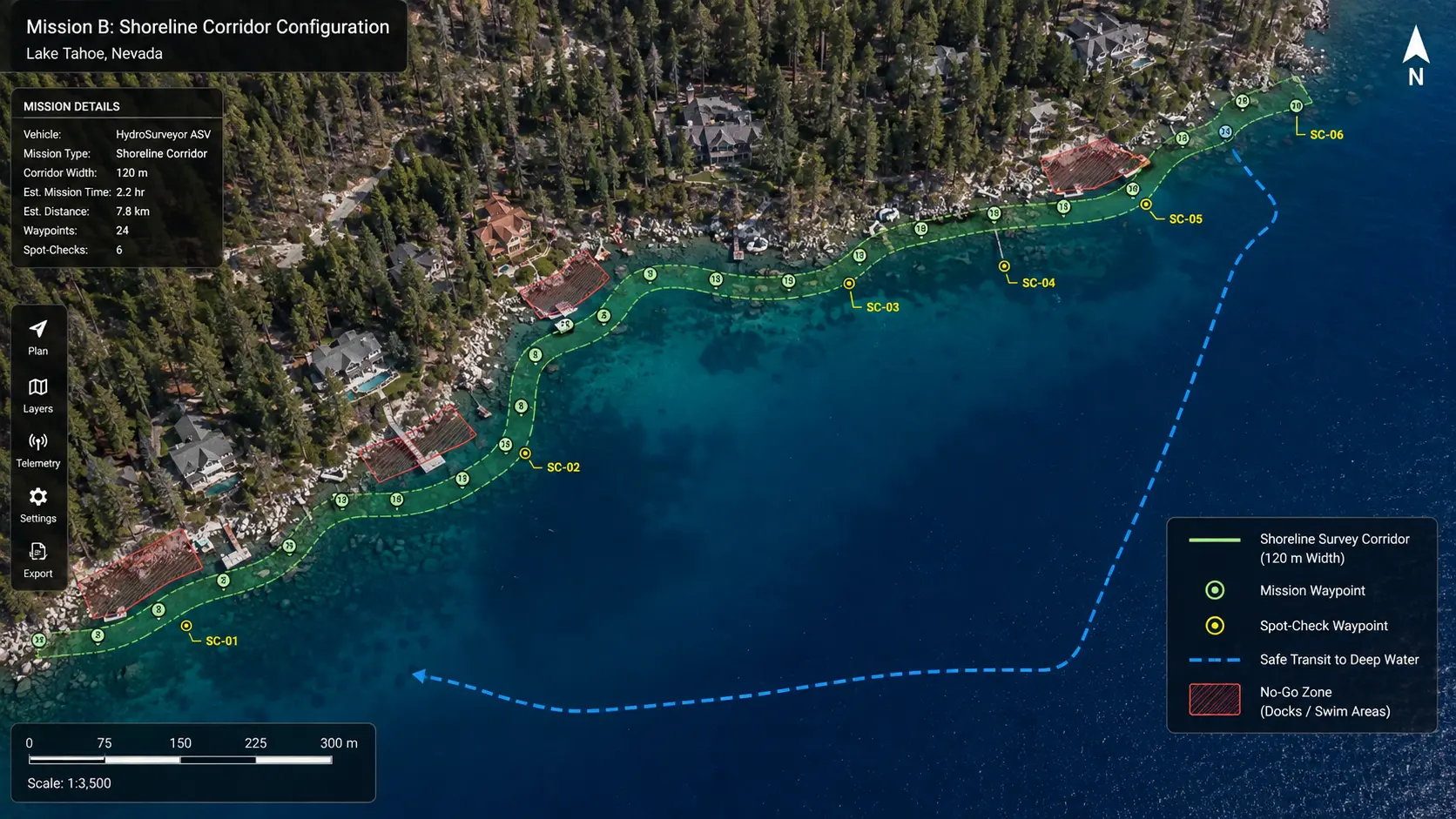
Map the waterbody and define routes, exclusion zones, line spacing, sampling locations, application rates, and documentation requirements. Repeatability is designed into the mission at this stage.
Launch from shore and run the planned mission under qualified operator supervision. Monitor the platform and mission data in real time, maintain situational awareness, and respond appropriately if field conditions differ from the plan.
Documentation is built into the mission. Depending on the application, deliverables may include geolocated and time-stamped data, coverage maps, bathymetric surfaces, application records, target locations, inspection imagery, or condition documentation.
Maintenance, operating reviews, and refresher training keep the platform performing across seasons rather than only during its first deployment.
Qualified professionals remain central throughout the process. The licensed applicator, hydrographer, environmental specialist, engineer, and incident commander retain responsibility for the decisions within their disciplines. Autonomy extends their capabilities.
The right model depends on how frequently you need the capability, who will be operating the boats, and whether equipment ownership supports your business model. Organizations with recurring in-house responsibilities often purchase. Consultants and contractors that want to add autonomous capability to their existing services can find value in partnerships or ownership. Organizations with project-based needs, compressed timelines, or an interest in evaluating the proof-of-concept of an internal robotics program first typically begin with SEQAV deployment.
The models are designed to support progression — this is the unique advantage of the platform being mission-configurable. A deployed arrangement can validate the platform against an actual field objective before a capital purchase. The mission planning, route design, operating procedures, and documentation developed during that project can carry forward into ownership or partnership. SEQAV and Riparian Systems work closely with customers to ensure that as needs evolve, USV technology scales along with them.
Your organization retains client relationships, contracts, brand, and field expertise. Sequoia Advanced Systems provides the autonomous platform, payload configuration, mission-planning support, operator training, and technical backing required to add the capability to your services, including data collection and processing for review. Your team retains control of the professional deliverables; SEQAV supports the technology behind it.
Sequoia Advanced Systems is structured to strengthen established field-service teams, not displace them. Our role is to provide an autonomous platform, integration, training, and technical support behind organizations that already hold the client relationship and domain expertise. Direct deployments are generally performed when no consultant or contractor is engaged, when a customer specifically requests SEQAV-led fieldwork, or when we are supporting an existing project team.
Platform purchases include mission and payload configuration, deployment planning, operator training, and long-term technical support appropriate to the system and application. Maintenance requirements, spare parts, software updates, and ongoing readiness are considered from the beginning because the platform only produces value when it remains available for fieldwork. Our operational advantage includes a close relationship with each customer; if something unexpected happens, we will make it right.
Under the Buy model, trained personnel from your organization operate the platform. Under Partner or Deploy, the SEQAV field team may operate the autonomous system, depending on the specifics of the task. In every model, the professional judgment associated with the mission remains with the qualified personnel responsible for the work, including licensed applicators, hydrographers, engineers, environmental specialists, and incident commanders.
Training is configured around the platform, payload, crew, and missions your organization will perform. It covers mission planning, system setup, launch and recovery, platform operation, real-time supervision, exception handling, data management, and defensible documentation. The objective is not simply to teach personnel how to control the vessel; it is to prepare them to execute complete field missions safely and consistently. In short, it takes as long as it needs to take to have operational efficiency at hand-off.
Sequoia Advanced Systems supports all customers throughout California. The autonomous platforms are engineered and manufactured by Riparian Systems. Platform configuration, deployment planning, operator training, maintenance coordination, and long-term field readiness are supported by the SEQAV team in California.
Riparian Systems engineers and manufactures the autonomous watercraft. Sequoia Advanced Systems is the California deployment and support partner responsible for helping organizations apply those platforms to real field missions. Our role includes mission scoping, platform and payload configuration, deployment planning, operator training, field support, and long-term system readiness. Technical support and repairs will be facilitated by our team and carried out by Riparian Systems at their Texas-based manufacturing facility.
Often, yes. The platforms are mission-configurable, and payloads are selected around the required objective. Available configurations may include treatment systems, sonar, water-quality sensors, cameras, lighting, and other compatible equipment. When a mission falls outside the operating strengths of a surface platform, we will identify that limitation and recommend a more appropriate approach.
Yes. We can support technical scoping and specification development so that platform, payload, training, data, and support requirements reflect the actual mission. The customer remains responsible for its procurement policies, solicitation process, contracting requirements, and final purchasing decisions.
Begin with a mission-fit discussion. We will review the waterbody, field objective, required deliverable, operating constraints, and preferred engagement model. The next step is often an on-water demonstration or a scoped field deployment, allowing your team to evaluate coverage, precision, operation, and data output in conditions relevant to the work before making a larger commitment.